
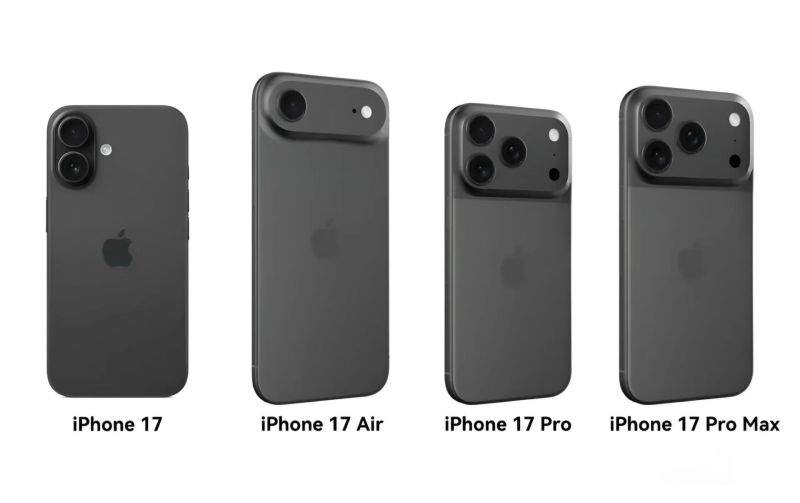
The iPhone 17 represents one of Apple’s most decisive course corrections in years. The most noticeable changes come straight to the part people interact with every second: the display and the front camera. Apple finally fixed long-standing weaknesses, elevated baseline standards, and—unexpectedly—made this the most sensible iPhone in the lineup from a value perspective.
This is not a small refresh. This feels like Apple finally acknowledging what users expect in 2025, and delivering.
The iPhone 17 launches globally at $799 USD for the base model, now starting at 256GB storage by default, replacing the old 128GB tier without increasing the base price. That single decision already changes the value equation dramatically.
Display: A Serious Comeback
The iPhone 17 display is a genuine leap. For years, the standard iPhone display lagged behind competitors—stuck at lower refresh rates and lacking premium finishing. Now it jumps forward into true flagship territory.
The phone finally brings high refresh rate, premium anti-reflective coating, and upgraded brightness reaching 3000 nits, matching Apple’s Pro class. Bezels are even slimmer, delivering a larger 6.3-inch panel within a body size that remains compact. Resolution hits 460 PPI, clarity is excellent, and Ceramic Shield 2 continues to handle durability.
The anti-reflection coating is particularly impressive. It drastically reduces glare and makes the screen usable even in harsh lighting—previously exclusive to only the most expensive devices on the Android side. This is a premium touch no one expected Apple to include here, yet it transforms daily usability.
It is easily the best display ever placed on a non-Pro iPhone, and arguably the biggest upgrade in the device.
The Front Camera: A Brilliant New Idea
The iPhone 17 front camera is where Apple did something genuinely creative. The sensor is now larger, wider, and rectangular in capture scope, allowing landscape-style framing even when the phone is held vertically. It allows a wider field of view, provides more flexibility for cropping, and improves stabilization thanks to better sensor hardware.
Video recording supports 4K at 60fps with noticeably improved clarity and stabilization compared to previous generations. Group selfies benefit from automatic widening when detecting multiple faces, and solo framing can be adjusted without losing composition quality.
Simply put, it is the most capable and user-friendly front camera Apple has produced.
Rear Cameras: Still Classic iPhone Quality
The rear camera setup remains dual-lens: a 48MP main wide and 48MP ultrawide. Image quality stays true to Apple’s philosophy—natural tones, consistent color science, accurate details without heavy artificial sharpening, and balanced HDR making high contrast scenes manageable and visually pleasing.
Where it falls short is predictable: low-light ultrawide performance and the absence of optical telephoto. Zoom handling relies on digital crop, meaning the Pro models retain a clear advantage for more serious photography. However, everyday shooting, social media, and general photography needs are handled superbly.
Video remains a strength, fluid and stable, although some Pro-level creative tools such as ProRes and 4K/120fps recording remain exclusive to higher tiers.
Performance and Software
Powered by the A19 chip paired with 8GB RAM, performance is effortlessly strong. Daily tasks, gaming, and long-term OS support are firmly secured. Apple’s reputation for longevity stands, and this device is comfortably positioned for extended relevance.
Apple Intelligence, for now, remains underwhelming in implementation. Third-party AI solutions are still proving more practical. However, iOS 26 remains a tightly refined ecosystem, visually refreshed and consistent.
Long-term software support remains a defining benefit—expect many years of updates ahead.
Battery Life and Charging
Battery capacity sits at 3692mAh, not groundbreaking on paper and without new silicon-carbon tech. Real-world endurance varies: indoor Wi-Fi usage is very stable and efficient, easily lasting a full day. Heavy outdoor cellular use, navigation, and streaming produce inconsistent drain levels.
Charging now supports up to 40W, allowing roughly half capacity in about 20 minutes when paired with a compatible charger. It is an appreciated quality-of-life improvement.
Design and Build
The design language remains familiar to the previous generation, with only subtle aesthetics differentiating it. The structure remains aluminum, compact, confident, and unmistakably Apple. New colors like sage green and lavender help visually separate it from the past.
It is premium, without needing to scream it.
Pricing and Value
At $799 USD for 256GB, the iPhone 17 does something Apple rarely does: increases value without increasing price. It delivers a vastly superior display, significantly improved front camera technology, better charging speed, bigger default storage, and elite-class screen refinements—all while staying at the same launch price as the previous generation’s 128GB tier.
It undercuts many competitors offering similar performance while remaining firmly within the premium ecosystem that drives Apple’s long-term resale advantage and stability.
Conclusion
The iPhone 17 feels like the first “standard” iPhone that doesn’t feel compromised. It fixes long-criticized weaknesses, delivers meaningful display and camera innovation, improves practicality, and does it all without raising the base price.
Yes, battery consistency outdoors could still be better. Yes, Apple Intelligence still feels underdeveloped. And yes, the Pro models remain unmatched as ultimate creator devices.
But for the majority of buyers looking for the smartest, most rational flagship purchase in the Apple lineup today, this is the sweet spot.
Value Score: ⭐⭐⭐⭐⭐⭐⭐⭐⭐⭐✩ (9/10 — exceptionally strong value, arguably the most sensible iPhone to buy right now)